







Five Minutes With: INDYCAR President J. Douglas Boles About New Car

Curt Cavin
INDYCAR Staff Writer
JUL 30, 2026
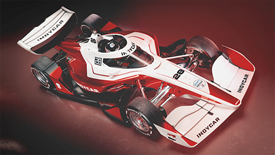
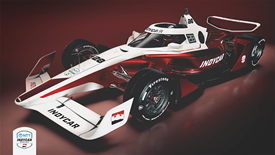
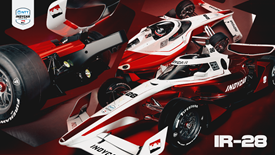
On July 28, INDYCAR provided a first look of the new car making its NTT INDYCAR SERIES debut in 2028. Series president J. Douglas Boles offered his thoughts on a variety of topics related to Dallara’s IR-28 in an interview with INDYCAR.com.
Question: Clearly, this car is new in every way, but in some ways would you consider it evolutionary design?
J. Douglas Boles: It has to be evolutionary because what we’ve learned in terms of safety over the years is too significant to throw away, and the competition that’s developed over the years is something you don’t want to throw away. You take the good of what you know and build on it to make it better. We’ve started over, for sure – it’s a brand-new car with only a handful of carryover parts. But this is the next version of INDYCAR machinery.
Q: Are you pleased with the car’s appearance, which many of the drivers have described as “an aggressive” look?
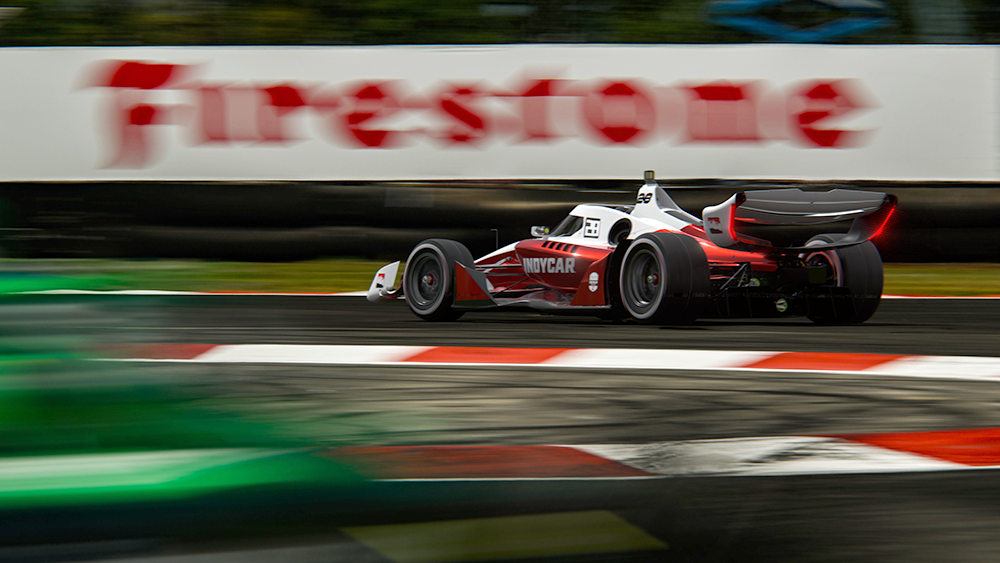
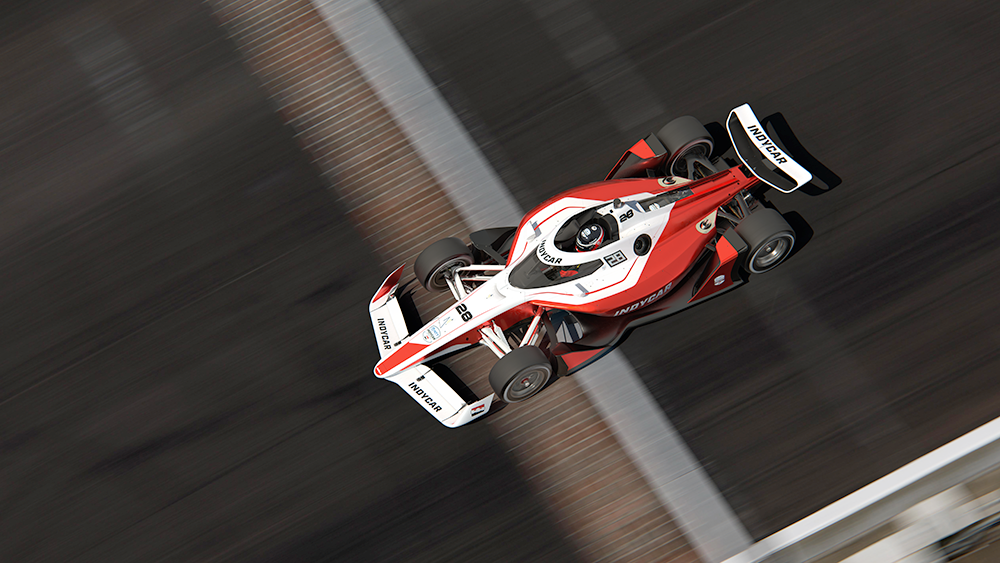
Boles: Yes, because it looks like a modern INDYCAR SERIES car, and I think that’s what the drivers have described. They all have said it looks really cool, especially when they’ve seen it in person. When the current car came out in 2012, it was state-of-the-art, but then we bolted so many things on it as we learned things – the aeroscreen, for example -- and those were significant initiatives, many related to driver safety. But with this car we’ve been able to incorporate those things to make it look like it was supposed to. This car really looks like a fighter jet.
Q: Are you confident this car will be faster than the current model?
Boles: Remember, safety is the most important part of our sport, but from a performance standpoint there are two important things this car offers: Making it easier for (a trailing car) to follow and pass (another car) and breaking the track record at the Indianapolis Motor Speedway safely. This car is designed to do both. With regard to the first, we had to design a car that dealt with the aero (disturbance) off the front wheels and some of the other things that have made passing harder on the ovals.
Q: Is it fair to assume that the change to a 2.4-liter twin-turbocharged V6 engine with hybrid technology for 2028 will contribute to the speed advances?
Boles: Yes. We’ve had the 2.2 (liter engine) for so long that the engine manufacturers have basically maximized every hundredth of a second out of those engines, and the cost to find more is astronomical. The larger engine provides more capacity to make (more horsepower), and that will help us. But the design of the car is going to help us with the way cars get through the air.
Q: Roger Penske has stressed that this car must be lighter than the current model. Was that his mandate?
Boles: I think there was a mandate from all of us, especially the drivers, that the car has to be lighter -- it just has to be. A lot of the challenges for the current car over the past four or five years are attributed to the weight we’ve put on it with things like the aeroscreen. Those were needed additions, for sure, but the car wasn’t designed to carry that much weight. We needed to get that weight off, and we’re closing in on it.
Q: This car won’t make its official debut for more than a year and a half. Is that a benefit?
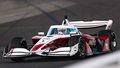
Boles: Yes, but one of the hardest parts of this process is that now that we’ve unveiled the car, we’ve got a lot of work still to do with it. Our next step is to begin validating it on many of the different types of circuits, and it starts this weekend on the road course at Indianapolis Motor Speedway. We’ll also test it on the oval at IMS. We need to take it to Sebring (International Raceway) to shake it down to make sure it’s robust enough for racing on the street circuits, and we’ll probably take it to Nashville Superspeedway where you’re doing high-speed, high-downforce running to make sure the car’s good there, too. Once it’s validated, we probably won’t see the car on track until (after this season) or maybe not until next year. So, this will be a long process. We do have time, and at times it’s going to feel like ages. Like Tony Kanaan said this week when he saw how good it looks, ‘Can we race it next year?’ But we’ve got a lot of work to do between now and then.
Q: This design has many interesting features, and one that will catch attention are the digital LED panels on the side of the cars and the lighting options on the rear wing. What do you like about them?
Boles: The (LED panels) are now built in, and it’s a smaller and lighter system than the one (that debuted in 2015), so it shouldn’t have the heating and power issues that we had before. It’s going to be integrated into everything, so it will offer a lot of flexibility. The same with the rear wing. The rain light that’s currently on the attenuators will be on the end fences of the new wing, and it can do a lot of things. Think back to when Alexander Rossi came to a stop on the front straightaway on the IMS road course or when Christian Rasmussen slowed coming up the hill at Road America. The system can sense when something’s wrong with the car, and it can start flashing yellow on the back wing so (approaching) drivers will know that the car is off the pace. There’s a lot of things that we can do with it that will be really unique.
Q: What are other intricacies that fans should be aware of? The new front and rear wings, the transparent engine covers, wider cockpits and integrated side-impact structures come to mind.
Boles: Also, the mirrors are larger, but they’re like a wing now and built in. Just the overall aesthetics of the car are really great. The (aerodynamic pieces behind the front wheels) are designed to help with the airflow to allow the cars to race better. For me, that’s the most exciting thing. If we can make the racing that we currently have even better and make it easier for a faster car to pass a slower car, that will be terrific. I’m excited to see what that’s going to show.